
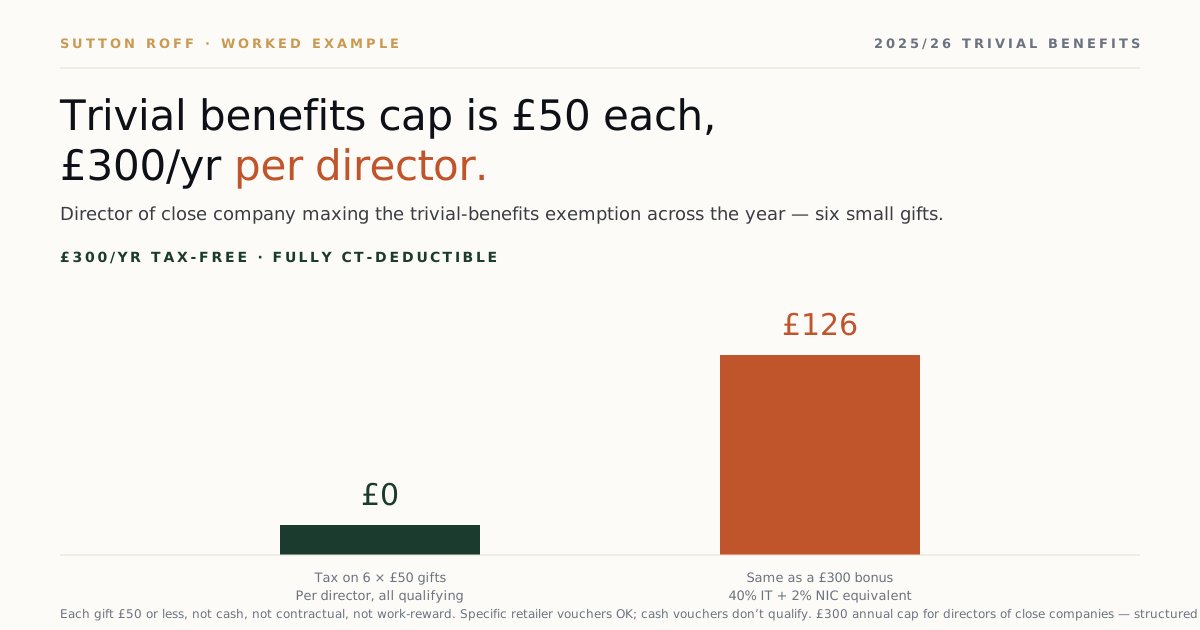
Of all the small tax planning tools available to UK company directors, the trivial-benefits exemption is the most underused. The rules came in back in 2016 and haven’t changed in nearly a decade — yet most directors don’t take advantage of them. £50 a pop, up to £300 a year for directors of close companies, every year, on the company’s tab. It’s not life-changing money, but it’s a clean tax-free perk you should be using.
The four conditions
For a benefit to qualify as “trivial” and be exempt from income tax and NIC:
- The cost (including VAT) must not exceed £50.
- It can’t be cash or a cash voucher (a voucher exchangeable for cash).
- The employee can’t be contractually entitled to it (i.e. it’s a discretionary gift, not a contractual perk).
- It can’t be in recognition of a particular service (e.g. hitting a sales target — that’s a performance bonus, taxable).
If any one of those fails, the benefit becomes fully taxable — not just the excess over £50. So a £55 gift triggers tax on the entire £55, not just on the £5 over the cap. Plan accordingly.
What counts
- A turkey (or vegan equivalent) for each member of staff at Christmas.
- A £40 store voucher (M&S, Amazon, John Lewis) on someone’s birthday.
- A team lunch out, where the per-head cost stays under £50.
- Flowers, chocolates, a bottle of wine — the actual classics.
- Theatre tickets, a streaming-service subscription gift card, a hamper.
The exemption also covers benefits provided to members of the employee’s family or household. So a £50 gift to your director’s spouse on their anniversary still qualifies. Same logic for kids’ birthday gifts.
The director-of-close-company cap
For directors of “close companies” (typically owner-managed companies with five or fewer shareholders), there’s an annual cap of £300 per director on trivial benefits. This cap also covers gifts to the director’s family/household members — they all count toward the same £300.
That means up to six £50 gifts per year, tax-free, paid for by the company, with corporation tax relief on the cost. The cap doesn’t apply to non-director employees — they’re effectively uncapped (other than the £50-per-gift rule).
A worked example
Sarah runs an owner-managed Ltd company. She’s the sole director. Over a year:
- £45 birthday voucher for herself (paid by the company)
- £40 anniversary gift for her husband
- £50 Christmas hamper for herself
- £35 birthday gift for each of her two children (£70 total)
- £40 Mother’s Day flowers for her own mother (a “household member” if living with her — fail otherwise)
- £25 random “thanks for being you” voucher for her husband
Total: £270, all £50 or under per occasion, all to family/household members. Comfortably within the £300 cap. Net effect:
- Sarah and family receive £270 in gifts, completely tax-free.
- The company spends £270 cash but gets corporation-tax relief at 25% = £67.50 saved in CT.
- Effective net cost to the company of the £270 of gifts: £202.50.
- Equivalent dividend extraction to fund £270 of personal spending after dividend tax (33.75% higher rate) would have cost ~£408 of pre-CT profits.
Total tax saved vs taking the equivalent as dividends: roughly £200/year. Repeat every year, indefinitely.
Watch-outs
- £50 includes VAT. A “£49.99 plus delivery £5” item is over the cap.
- Cash is excluded. So is a voucher exchangeable for cash. Closed-loop store vouchers (M&S, Amazon, John Lewis, Costa, etc.) are fine.
- Don’t link the gift to performance (“here’s £50 for hitting your target”). That’s a bonus, fully taxable.
- Keep simple records — receipts, list of gifts and recipients. Doesn’t need a P11D entry, but you do need evidence the £300 cap wasn’t exceeded.
Key takeaways
- Up to £50 per gift, tax-free for the employee, deductible for the company.
- Directors of close companies are capped at £300 per year — six £50 gifts is the practical maximum.
- The cap covers gifts to the director’s family and household members too.
- No P11D reporting required. Simple records of date, amount, recipient.
- Net annual benefit to a typical director: ~£200 of tax saved vs the equivalent dividend extraction.
FAQ
Does the £50 limit per benefit include VAT?
Yes — the £50 is VAT-inclusive cost. A gift list-priced at £45 + 20% VAT = £54 fails the test. Stay genuinely below £50 inclusive to keep BIK-exempt.
What about cash gift vouchers?
Cash gift vouchers are not trivial benefits — they’re cash-equivalent and trigger income tax + NIC. Vouchers redeemable only at a specific retailer (e.g. Amazon-only, M&S-only) qualify as trivial benefits if under £50.
Can I split a £75 gift across two trivial benefit slots?
No — HMRC views this as a single benefit costing £75 and disallows the trivial treatment entirely. Each benefit must individually be under £50 with no artificial splitting.
Not using your full £300 trivial-benefits allowance every year? You’re leaving real money on the table. Book a free 20-min review and we’ll walk you through the entire small-perks playbook for owner-managed businesses. Helpful for any UK Ltd director.