
For every Ltd company director with no other employees, two recent changes have moved the optimum salary/dividend split: the dividend allowance dropped to £500, and employer NIC went up to 15% with the secondary threshold cut to £5,000 from April 2025. The “old” optimum salary of £12,570 + dividends to the higher rate is no longer quite right. Here’s what the maths now says.
The five candidate salaries
For a sole-director Ltd (no Employment Allowance — you’re excluded), there are five sensible salary levels to consider:
- £0 — pure dividend extraction
- £6,500 — Lower Earnings Limit (counts toward State Pension, no NIC)
- £9,100 (old) — was the secondary threshold, but irrelevant from April 2025
- £12,570 — full personal allowance, no income tax
- £50,270 — full basic-rate band on salary alone
For 99% of typical sole-director cases, the choice is between £6,500 and £12,570 in salary, with the rest as dividends.
The £12,570 vs £6,500 decision (sole director, no other employees)
From April 2025, employer NIC kicks in at £5,000 of salary (was £9,100). So a £12,570 salary triggers £7,570 of employer-NIC-able pay at 15% = £1,135 employer NIC.
The CT relief on the £12,570 salary at 25% (assuming you’re in the marginal band over £50k profit) = £3,142 saved CT.
Net company saving: £3,142 − £1,135 = £2,007 on the £12,570 salary structure.
Compare to taking £6,500 salary (no NIC, full personal allowance unused above the salary):
- CT relief on £6,500 = £1,625 saved
- £6,070 of personal allowance still unused
- Wages portion of dividend extracted on top — first £6,070 covered by personal allowance, then £500 dividend allowance, then 8.75% on dividends
For most sole directors with profits over £50k, the £12,570 salary still wins, but by a slimmer margin than pre-April 2025. Roughly £200–£400/year better off vs £6,500. Not nothing, but a real reduction from the £600+/year advantage it used to have.
What changes the answer
- Spouse / family member also drawing salary — Employment Allowance becomes available (£10,500/year against employer NIC) once you have at least one other employee. Tilts £12,570 salary further into the lead.
- Multiple directors — same logic; Employment Allowance unlocks bigger savings.
- Profit under the £50k Corporation Tax small-profits rate boundary — CT is 19% rather than 25%, so each £ of CT-deductible salary saves less. Tighter.
- Profit over £250k — straight 25% CT, salary deduction more valuable.
- Need State-Pension-qualifying earnings — minimum salary should be £6,500+ to count for that year’s contribution. Don’t fall below this.
Pension contributions — the third lever
Often overlooked: an employer pension contribution is corporation-tax-deductible, no employer or employee NIC, and grows tax-free in the pension. For a director who’s not yet maxed their £60k annual allowance:
- £10,000 employer pension contribution costs the company £10,000 cash
- Saves CT at 19–25% = £1,900–£2,500
- £10,000 lands in the pension. Compare to taking £10,000 as dividend post-CT: you’d net £6,750 (after 25% CT and 8.75% dividend tax)
- Net advantage: £3,250 in this slice — and you’ve reserved your 25% tax-free lump sum at age 57+.
If you don’t need the cash now, employer pension contribution beats dividends every time below the £60k annual allowance.
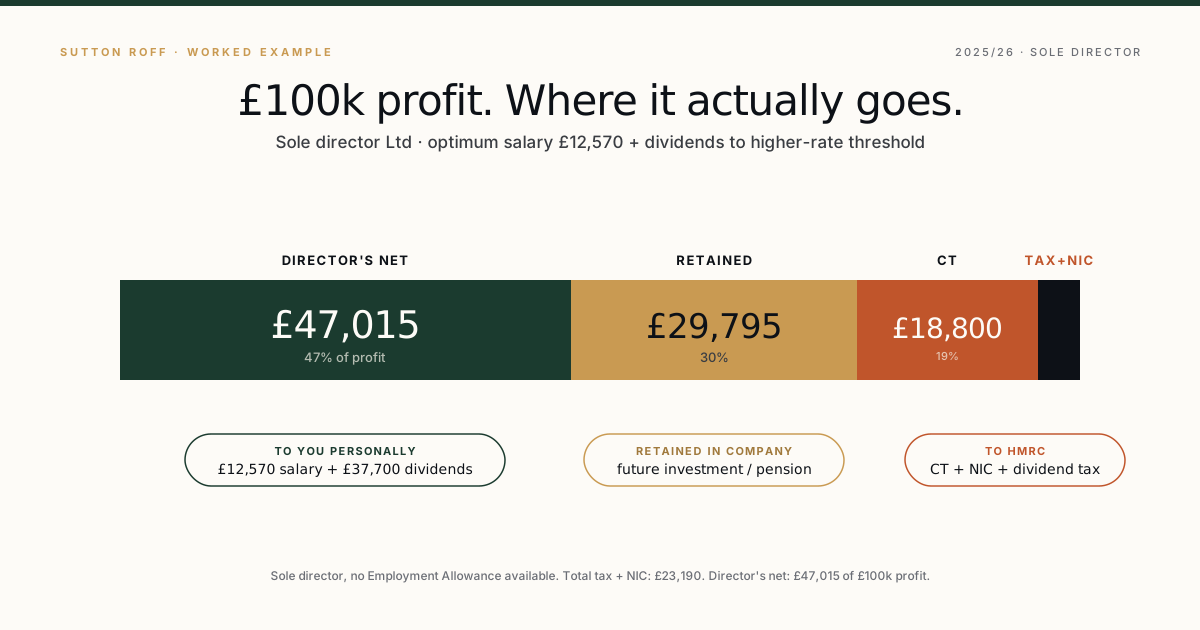
Worked example — typical sole director, £100k profit, full extraction
Director takes £12,570 salary + dividends to land at the higher-rate threshold of £50,270. Total dividends gross of £37,700.
- Employer NIC on salary: £1,135
- CT on (£100k – £12,570 – £1,135) = £86,295 at marginal rates: ~£18,800
- Distributable cash: £67,495 — but director only takes £37,700
- Dividend tax: (£37,700 – £500 allowance) × 8.75% = £3,255
- Total tax + NIC: £23,190. Director’s net: £37,700 dividend – £3,255 dividend tax + £12,570 salary = £47,015
If the director needs cash above £50,270, every additional £1,000 of dividend costs 33.75%. If they don’t need it, leave it in the company at 19–25% CT and either pay employer pension contribution or retain for future projects.
Key takeaways
- For 2025/26 sole directors with profits above £50k, the optimal salary is still £12,570 — but the advantage over £6,500 has narrowed.
- Employer NIC at 15% on salary above £5k changes the maths from previous years.
- Adding a second employee (e.g. spouse) unlocks £10,500 of Employment Allowance — meaningful enough to be worth structuring for.
- Employer pension contributions beat dividends for any cash you don’t need now (under £60k AA limit).
- Above the higher-rate threshold, every extra £1k of dividend costs 33.75% in tax. Retain or contribute to pension instead.
FAQ
What if I have other income from another job?
If your other PAYE job already uses your Personal Allowance, take £0 salary from your Ltd and extract via dividends only. Your Ltd salary would be taxed at BR or D0, defeating the point.
Should I take dividends monthly or annually?
Either works for tax. Monthly dividends improve cash flow and look professional in accounts. Annual dividends keep admin simpler. Ensure proper board minutes and dividend vouchers either way.
Do I need a paid spouse to qualify for Employment Allowance?
You need 2+ employees on payroll. A spouse on a genuine market-rate salary for actual work is the most common route. Token salaries for fictitious work get challenged by HMRC.
Last year’s salary/dividend mix is probably no longer optimal. Book a free 20-min review and we’ll model your specific extraction strategy for 2025/26 in 15 minutes. Helpful for any UK Ltd director.