
For company-car drivers stuck with high BIK rates — typically anyone driving a petrol or diesel car, or a plug-in hybrid with limited electric range — there’s a structural fix most accountants don’t mention: the employee capital contribution. It can knock 20% off the BIK with one signature. Here’s how it works in 2025/26.
The basic mechanics
Company-car BIK is calculated as list price × BIK percentage. The “list price” is the manufacturer’s official UK list price when new, including VAT and accessories.
HMRC’s rules allow the employee to make a capital contribution toward the cost of the car — up to a maximum of £5,000, deductible from the list price for BIK purposes.
So a £25,000 list price car becomes a £20,000 BIK base, and the BIK at 20% becomes £4,000 instead of £5,000 — a £1,000 reduction in taxable benefit per year, every year, for as long as the car is in service.
The “but my employee doesn’t have £5k” problem
Most employees (and most director-employees) won’t be sitting on £5,000 of after-tax cash they want to put into the company’s car. Two clean solutions:
1. Interest-free company loan. A company can lend an employee up to £10,000 interest-free without triggering a beneficial-loan benefit-in-kind charge. So the company lends the employee £5,000 → employee uses it as the capital contribution → BIK drops by 20% → loan stays on the books to be repaid over time (or written off, see below).
2. Bonus paid then contributed back. Same effect: pay the employee a bonus of £5,000 (taxed as income), they hand it back as the capital contribution. Less elegant, more taxable. Loan route is usually cleaner.
A worked example — petrol car, higher-rate director
Director drives a £30,000 list-price BMW 3 Series with 130g/km CO2, putting it in the 32% BIK band.
| Calculation | Without contribution | With £5k contribution |
|---|---|---|
| List price for BIK purposes | £30,000 | £25,000 |
| BIK rate (32% petrol band) | 32% | 32% |
| Annual BIK value | £9,600 | £8,000 |
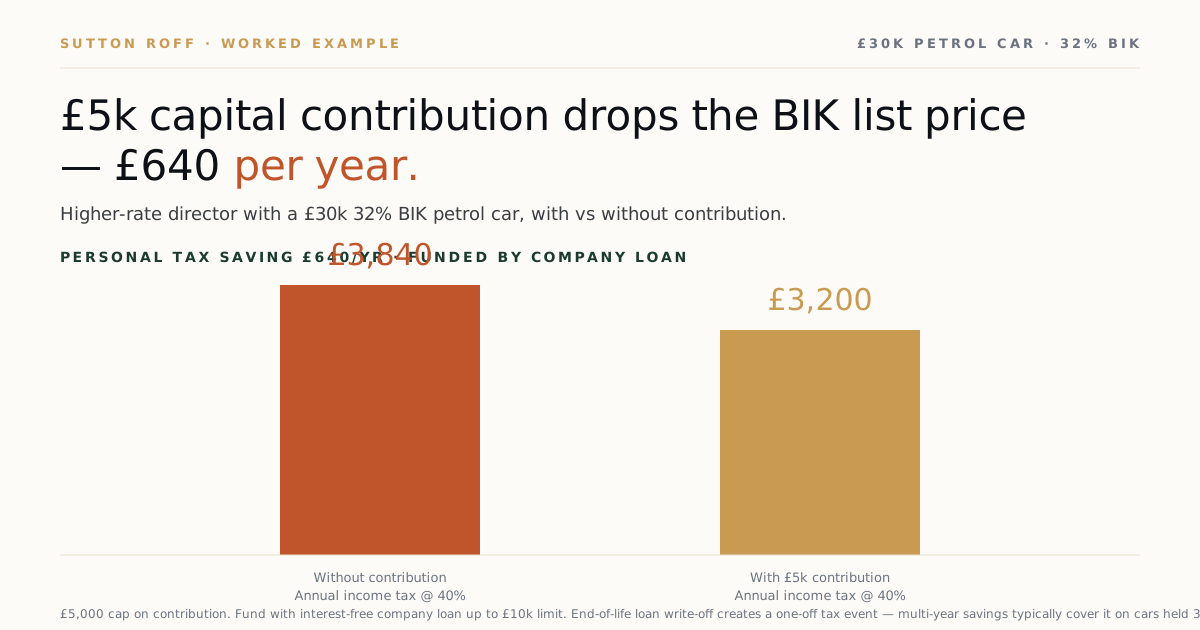
| Personal income tax @ 40% | £3,840 | £3,200 |
| Class 1A employer NIC @ 15% | £1,440 | £1,200 |
| Annual personal tax saving | — | £640 |
| 4-year personal saving | — | £2,560 |
Over a 4-year holding period: £2,560 saved in personal tax.
The end-of-life loan settlement — what happens to the £5k?
When the company sells the car (or the employee leaves), the capital contribution gets settled out. Two scenarios:
Scenario A — car sold for more than its current depreciated value vs the 5/list ratio. The employee gets back a proportionate share of the sale proceeds (e.g. they contributed 5/30 = 16.7% of cost, so they get 16.7% of the sale proceeds back). Loan partially repaid from this. Any shortfall typically written off by the company.
Scenario B — loan is written off. If the company writes off the remaining loan balance:
- The write-off amount becomes an income-tax-and-NIC-able event for the employee in the year of write-off.
- For a higher-rate director, write-off of £2,500 = £1,000 tax + £50 NIC = ~£1,050 personal cost.
- Plus 15% Class 1A on the write-off as an employer.
So the year-of-disposal cost can offset some of the multi-year tax savings. But typically the math still works out positive on cars held 3+ years.
A 4-year worked example — total saving
Same £30k BMW, 4-year holding period, then sold for £10,000 (33% of list).
Without capital contribution: total personal tax over 4 years = £15,360.
With £5k capital contribution funded by company loan:
- 4 years’ personal tax: £12,800
- End-of-life: car sold for £10k. Employee’s share = 5/30 × £10,000 = £1,667. Loan balance £5,000 − £1,667 = £3,333 written off.
- Tax on write-off: 40% × £3,333 = £1,333. Plus 2% employee NIC = £67. Plus employer Class 1A 15% = £500 (CT-deductible, net cost to company ~£375).
- Total over 4 years: £12,800 + £1,333 + £67 = £14,200
- Net personal saving over 4 years: £1,160
Plus the company’s NIC saved (lower BIK = lower Class 1A) of about £960 over 4 years, less the write-off NIC of £500 = ~£460 net company saving. Combined saving: ~£1,600 over 4 years. Modest but real, and ideal for cases where you can’t easily switch to an EV.
Why this works mainly on petrol/diesel and high-emission cars
For an EV at 3% BIK, the capital contribution math is much weaker — you’re saving £150/year on personal tax (40% × 5,000 × 3%), against the future write-off complications. Often not worth it.
For petrol/diesel cars at 25%+ BIK, the math is genuinely favourable. The trick is most useful for the cars HMRC is taxing hardest.
Watch-outs
- £5,000 hard cap. Contributions above £5,000 don’t reduce the BIK further.
- Interest-free loan limit £10,000. If the employee already has other interest-free loans from the company, you may be over the limit and trigger a beneficial-loan BIK on the excess.
- Document the contribution properly. Board minutes recording the loan, signed loan agreement, capital contribution receipt. P11D and P46(Car) need to reflect the reduced list price.
- Plan the end-of-life settlement at outset. Surprises during disposal can erode the saving.
- Doesn’t apply to lease-funded cars — only to cars the company actually owns. Leased company cars don’t have a “list price reduced by contribution” mechanism.
Key takeaways
- An employee capital contribution of up to £5,000 reduces the list price used in BIK calculations, by definition lowering the annual tax charge.
- Fund the contribution with an interest-free company loan (up to £10,000 limit, otherwise creates a beneficial-loan BIK).
- Most useful on high-BIK petrol/diesel cars at 25%+ BIK rates. EVs at 3% don’t move the needle enough to bother.
- End-of-life loan write-off creates a one-off tax event — but the multi-year savings typically cover it.
- Net 4-year saving on a typical higher-rate director’s £30k petrol car: roughly £1,500 after all the moving parts.
FAQ
Can I make capital contributions above £5,000?
Yes — but only the first £5,000 reduces the BIK list price. Contributions above that are voluntary and don’t lower the tax charge further. Most directors max at the £5k cap.
What happens if my employee leaves before the loan is repaid?
The remaining loan balance becomes due on departure. Most companies write it off as a leaving settlement — which then becomes income-tax-and-NIC-able for the employee in the year of write-off.
Does this work for leased company cars?
No — the capital contribution mechanism only applies to cars the company actually owns. Leased company cars don’t have a “list price reduced by contribution” mechanism in HMRC’s rules.
Stuck with a high-BIK company car and not sure if the capital contribution trick is worth the admin? Book a free 20-min review and we’ll model your specific car/insurance/personal-tax position. Specialist UK accountants for Ltd directors.