
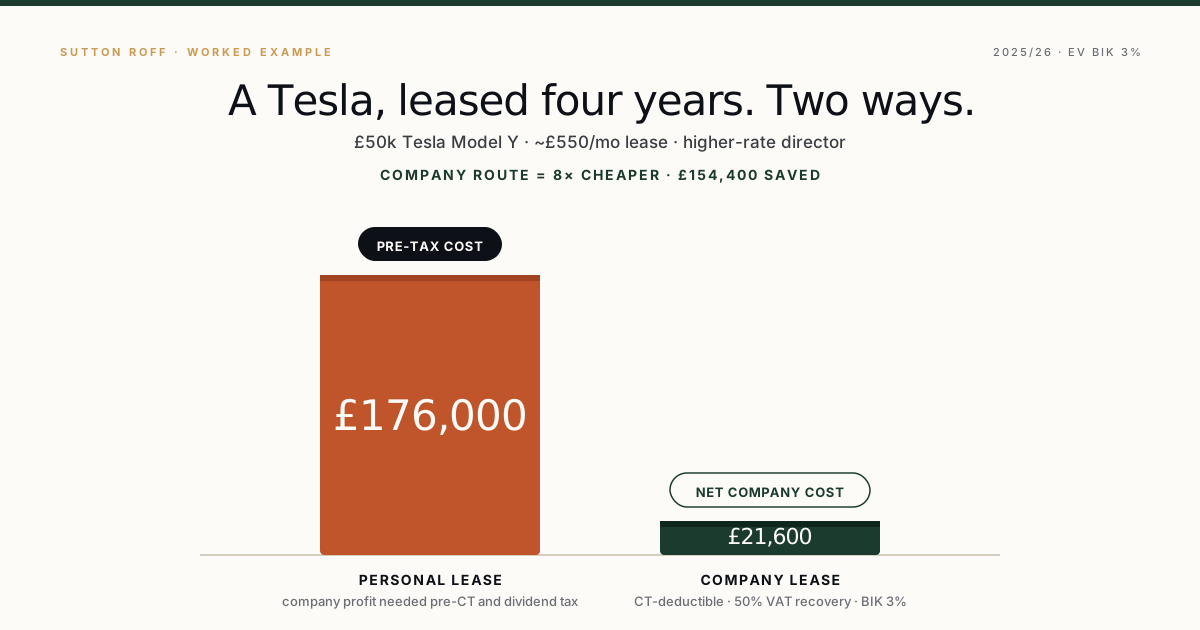
For five years, the answer to “should I buy a Tesla through my company?” was a one-word yes. With the BIK rate at 1–2%, taking a £50k EV as a company-car benefit was almost free tax-wise. From April 2025 the rate is 3%, rising to 5% by 2027/28 and 9% by 2029/30. The deal is still strong — but it’s no longer automatic. Here’s the 2025/26 breakdown.
How company-car BIK works
If your company buys (or leases) a car and lets you use it personally, HMRC charges you income tax on a notional benefit equal to:
BIK = list price × BIK rate
For 2025/26:
- Pure EV (zero emissions): 3%
- Plug-in hybrid (electric range >130 miles, very rare): 3%
- Most plug-in hybrids: 8–12% depending on range
- Petrol/diesel: 16–37% depending on emissions
| Tax year | EV BIK rate | £50k Tesla — annual BIK | Higher-rate (40%) tax |
|---|---|---|---|
| 2025/26 | 3% | £1,500 | £600 |
| 2026/27 | 4% | £2,000 | £800 |
| 2027/28 | 5% | £2,500 | £1,000 |
| 2028/29 | 7% | £3,500 | £1,400 |
| 2029/30 | 9% | £4,500 | £1,800 |
| 2030/31+ | +1ppt/year confirmed | — | — |
The 2025/26 worked example — Tesla Model Y
Director buys a £50,000 Tesla Model Y new through their Ltd company. Director is a higher-rate taxpayer (40%).
Personal cost (BIK):
- BIK value: £50,000 × 3% = £1,500
- Income tax: £1,500 × 40% = £600/year
That’s £600/year personal tax for the use of a £50k car. A bargain.
Company costs and reliefs:
- If purchased: 100% First-Year Allowance on new EVs — full £50,000 deductible against CT in year of purchase. CT saving at 25% = £12,500
- If leased: monthly lease cost fully CT-deductible
- VAT: typically 50% recoverable on the lease/finance (cars used for business + private)
- Fuel/electricity: home-charging electricity reimbursed at 9p/mile (HMRC’s 2025/26 EV advisory rate) — reimbursement is tax-free
- Employer NIC on the BIK (Class 1A): £1,500 × 15% = £225/year. CT-deductible.
Net first-year position for the company: £12,500 CT relief – £225 employer NIC = ~£12,275 in the bag in year 1, plus ongoing electricity/insurance/maintenance deductions.
Vs the alternatives
Buying personally with post-tax dividend income:
- Need £50,000 cash. Need to extract that from company.
- To get £50k net at higher rate: extract £75,470 dividend → 33.75% tax → £50,000 net. Cost: £25,470 personal tax.
- Plus CT already paid on company profit at 25% before dividend: £16,667 CT to get to a £50k after-CT distributable.
- Total tax cost to fund a personal Tesla: ~£42,000
Vs taking it through the company:
- £50k buys the car directly
- £12,500 CT saving in year 1 via First-Year Allowance
- £600 BIK tax + £225 employer NIC per year ≈ £825 ongoing
- Net 5-year cost: ~£41,000 (£50k – £12,500 saving + £825 × 5 years + minor extras)
So the company route is roughly £40k vs £42k personal — about £2k better, but the gap has narrowed compared to 2022/23 when it was £15k+.
What about leasing?
Personal leasing of a £50k EV: ~£550/month after VAT for 4 years = £26,400 of post-tax income needed annually = ~£44,000/year of company profit pre-tax. Over 4 years: £176,000.
Company lease of same car: ~£550/month, fully CT-deductible (50% VAT recoverable) = roughly £400/month net CT cost = £19,200 over 4 years. Plus BIK of £600/year × 4 = £2,400. Total ~£21,600 over 4 years.
Leasing through the company is dramatically cheaper than leasing personally, even with the new BIK rates.
When the company route stops winning
- BIK rate hits 9%+ in 2029/30 onwards — for a director on a £50k car, that’s £1,800/year BIK, £720 income tax. Still cheap, but starting to add up.
- You drive minimal personal mileage — at 2,000 personal miles/year, the BIK is more than the value you get from the personal use. Ownership through a different mechanism (e.g. salary sacrifice) might be cleaner.
- You’re at additional rate (45% income tax) — every £1 of BIK costs 45p, eroding the deal faster than for a higher-rate director.
- Used cars — no First-Year Allowance, drops to 18% Writing Down Allowance. Still works but recovery is much slower.
Salary sacrifice — the better option for higher earners
An EV salary sacrifice arrangement lets the employee give up some gross salary in exchange for the use of the EV. The employee saves income tax + employee NIC on the sacrificed salary; the employer saves employer NIC on the sacrificed amount. BIK still applies but the net cost is lower than dividend-extracting and buying personally.
For a director earning above £100,000 (where personal allowance tapers and effective marginal rates exceed 60%), salary sacrifice on an EV often beats both pure-personal purchase and pure-company-purchase routes.
Key takeaways
- EV BIK is 3% in 2025/26, rising to 4%, 5%, 7%, 9% over the following four years. Still cheap, but not free.
- For a £50k EV bought new through the company, year-1 CT relief is £12,500 via 100% First-Year Allowance. Annual BIK personal tax: £600 at 40%.
- Company route still beats personal-purchase-via-dividends — but the gap narrowed from £15k+ to about £2k–£4k in 2025/26.
- Company leasing remains dramatically cheaper than personal leasing for any EV.
- For directors above the £100k tapered-allowance threshold, salary sacrifice on an EV is often the most efficient route.
FAQ
What about second-hand EVs?
Used EVs lose the 100% First-Year Allowance — they fall to 18% Writing Down Allowance per year. The BIK still works the same way (3% for 2025/26), but the company recovers cost much more slowly.
Can I salary-sacrifice instead of company-purchasing?
Yes — for higher earners (£100k+ income, near the personal-allowance taper), salary sacrifice on an EV often beats both pure-personal purchase and pure-company-purchase routes. Mortgage-affordability impact needs modelling first.
What if I’m at additional rate (45%)?
BIK costs 45p per £1 instead of 40p. Still cheap on EV at 3%. But the company-versus-personal-purchase gap narrows, and salary-sacrifice routes look more attractive.
Thinking about a Tesla, EQ, ID, or other EV through your business? Book a free 20-min review and we’ll model the company-purchase, personal-purchase and salary-sacrifice routes side by side with your actual numbers. Specialist UK accountants for Ltd directors.