
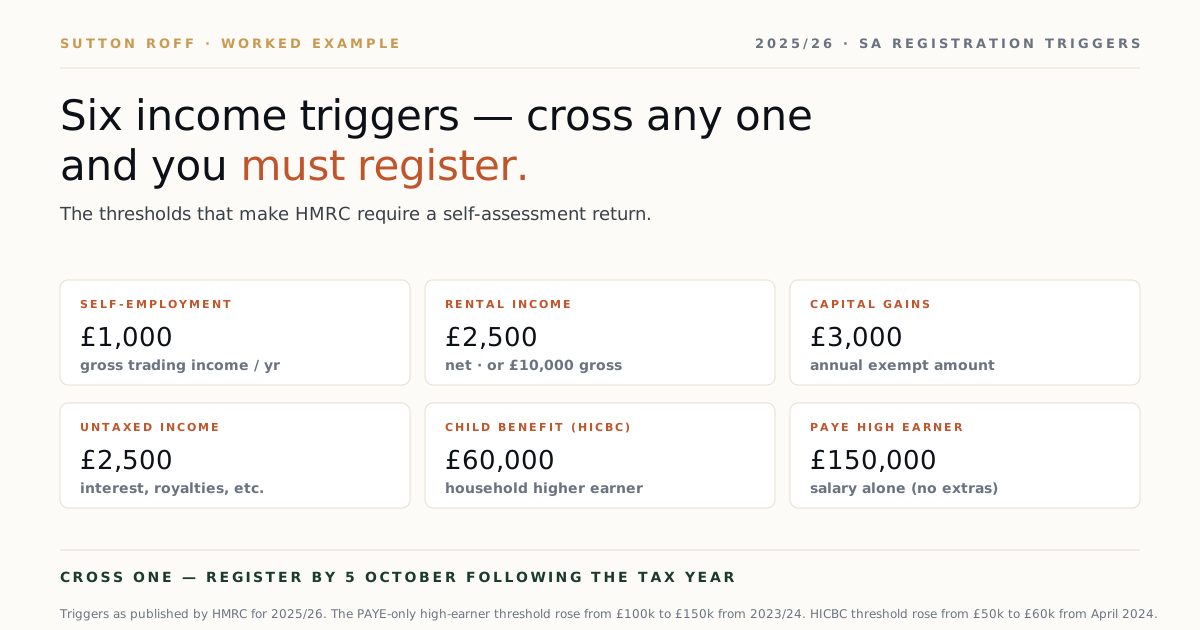
HMRC quietly removed hundreds of thousands of PAYE-only earners from self-assessment when they raised the high-earner threshold from £100,000 to £150,000 in 2023/24. Six other triggers still apply — and crossing any one mandates registration by 5 October following the tax year end. We see clients miss the trigger and pick up failure-to-notify penalties before they’ve owed a penny of tax.
Six triggers — cross any one and you’re in
You must register for self-assessment if any of these apply for the 2025/26 tax year:
| Trigger | Threshold | Notes |
|---|---|---|
| Self-employment trading income | £1,000 gross/year | Trading allowance covers below this |
| Untaxed income (interest, royalties, foreign) | £2,500 | Above your Personal Savings Allowance |
| Rental income | £2,500 net or £10,000 gross | £10k gross test new from April 2024 |
| Capital gains | £3,000 annual exempt amount | Or proceeds > £50k even if gain < allowance |
| Child benefit (HICBC) household higher earner | £60,000 | Threshold rose from £50k in April 2024 |
| PAYE-only employment alone | £150,000 | Threshold rose from £100k in 2023/24 |
Cross any one and you must register by 5 October following the tax year end.
The £150k PAYE threshold change — quietly removed thousands from SA
This change quietly removed hundreds of thousands of PAYE-only earners from self-assessment. If your total income for 2025/26 is purely salary (no rental, no investments beyond Personal Savings Allowance, no second income), and it’s between £100,000 and £150,000, you no longer need to file.
But — and it’s a big but — you still need to file if any of the other five triggers applies. £140,000 salary plus £600 of interest above PSA = file. £140,000 salary plus £3,500 of rental income = file. £140,000 salary plus child benefit and a partner under £60k = file.
Three borderline cases — do they need to file?
Case 1: Helena, marketing director on £140,000. All PAYE, £200 of dividend income (under the £500 dividend allowance), no rental, no CGT events. No SA needed.
Case 2: Helena, same salary plus a flat in Manchester earning £4,200 net rent. Rental over £2,500 net = SA needed.
Case 3: Helena’s salary now £155,000, no other income. PAYE alone over £150,000 = SA needed. The £150k threshold catches you regardless of how clean the rest of your tax position is.
What about Ltd directors?
HMRC removed the rule that “every Ltd director must file SA” in 2018, but the practice persists. If you’re a director with no taxable income outside PAYE — e.g. salary at £12,570 and dividends within the £500 allowance — you don’t strictly need to register. In practice, most directors file anyway because dividends quickly push past £500.
If you take meaningful dividends, you’re filing. The same goes for any director who’s borrowed from the company in a way that triggers benefit-in-kind reporting — a related question we covered in the director’s loan tax-free interest piece.
Don’t miss the registration deadline
For the 2025/26 tax year, the deadline to register is 5 October 2026. Miss it and HMRC charges a “failure to notify” penalty — separate from the late-filing penalty for missing 31 January 2027.
When this is a bad idea
Don’t “wait and see” if you’ve crossed a trigger. The registration deadline is months earlier than the filing deadline, and HMRC’s failure-to-notify penalties can run to 30%+ of the tax owed where they consider it deliberate.
Don’t try to use the £1,000 trading allowance to avoid registering when you’re clearly trading at scale. The £1,000 line is for genuine small side-hustle activity — covered in detail in our piece on Vinted, eBay and Depop tax.
Key takeaways
- Six triggers: self-employment £1k, untaxed income £2.5k, rental £2.5k net, CGT £3k, HICBC £60k, PAYE alone £150k.
- Cross any one and you must register.
- The PAYE-only threshold rose from £100k to £150k from 2023/24 — a lot fewer high earners need SA now.
- HICBC threshold rose from £50k to £60k from April 2024.
- Registration deadline: 5 October following the tax year end.
- Failure-to-notify penalties stack separately from late-filing penalties.
FAQ
What if I’ve already registered but don’t need to file this year?
Tell HMRC via your Personal Tax Account or by phone. They’ll “close” the year so no return is required. Don’t just ignore the SA reminder — that triggers a £100 late-filing penalty even on a £0 return.
Do I need to register for foreign income?
Yes if it’s untaxed or above the £2,500 reporting threshold. Foreign rental, foreign salary, foreign investment income all trigger SA registration. Double-tax agreements may credit foreign tax against UK tax owed.
How long does registration take?
Online registration via gov.uk: HMRC posts your UTR within 10 working days. Digital activation can be faster. Get your UTR before the 5 October deadline of the tax year following start of trade.
Crossed a trigger this year and not sure if SA registration is required? Book a free 20-min review — we’ll confirm whether you need to register, handle the registration before the 5 October deadline, and file the first return cleanly. Specialist self-assessment registration accountants.