
HMRC’s £6/week flat-rate (£312/year) home-office claim wins for roughly 70% of Ltd directors — and most accountants reach for it by default. The 30% who’d save £300-£500/year more on apportioned bills don’t get told. The rental-agreement structure (director rents a room to the company) can deduct £4,000-£6,000/year if drafted correctly — and zero if it’s not.
Two methods, one decision
HMRC simplified flat rate: £6/week (£312/year). No paperwork, no records, no questions asked. The company pays the director £312/year tax-free as “use of home” reimbursement.
Apportioned method. The company reimburses a proportion of your actual home bills based on space and time used for business. Bigger potential claim, more record-keeping, has to stack up if HMRC asks.
You pick whichever gives you the bigger deduction — but you have to commit to the method consistently within a given year.
What you can apportion (and what you can’t)
For a Ltd director, the apportionable home costs are:
- Heating and gas
- Electricity
- Water (rarely worth claiming — usually flat charge)
- Cleaning costs (cleaner who does the office space)
- Repairs to the office room itself
What you can’t apportion through a Ltd company:
- Mortgage interest — personal property cost
- Council tax — personal liability
- Rent paid to your landlord — personal contractual liability
- Property insurance — personal cover
This is one of the points where Ltd directors get less than sole traders, who can apportion mortgage interest and council tax. The fix for Ltd directors is the rental-agreement structure (covered below).
Light home use — the flat rate wins
Maya, a Ltd director, uses one room of an eight-room house and works from home five days a week. Annual home bills:
- Heating: £1,200 × 1/8 × 5/7 = £107
- Electricity: £900 × 1/8 × 5/7 = £80
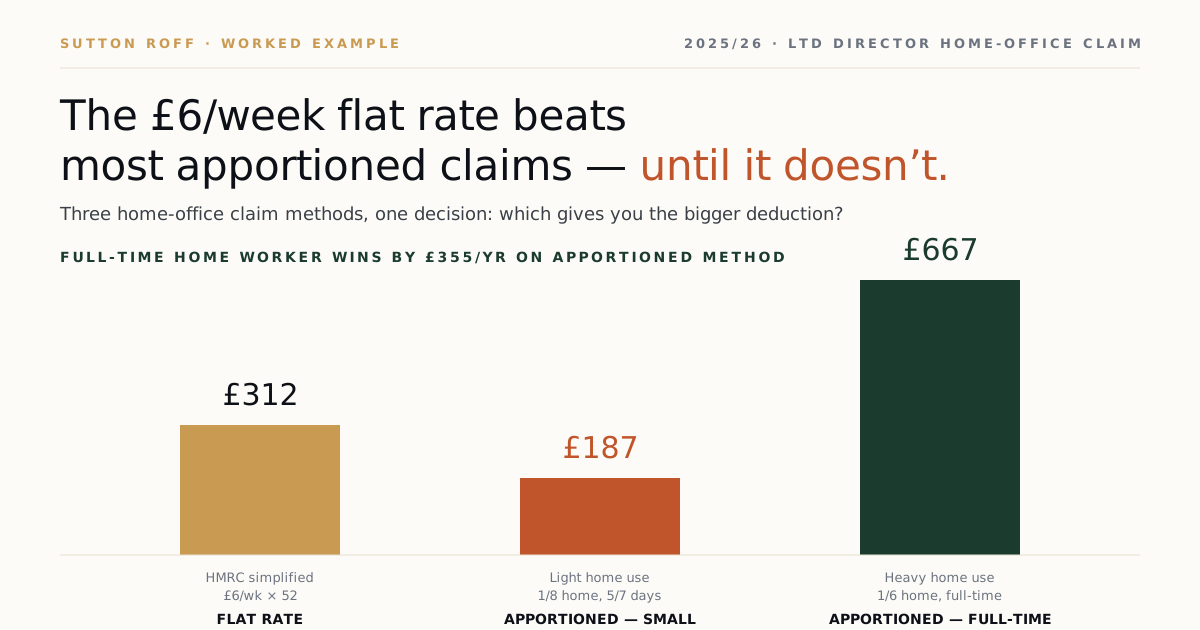
- Total apportioned: £187/year
HMRC’s simplified flat rate gives you £312/year. The flat rate wins by £125 — and saves you the records.
Heavy home use — apportioned wins by £355/year
Daniel runs the whole company from home, full-time, occupying one of six rooms. Annual home bills:
- Heating: £2,500 × 1/6 = £417
- Electricity: £1,500 × 1/6 = £250
- Total apportioned: £667/year
Apportioned wins by £355/year over the flat rate. Worth keeping records for.
The rental agreement structure — niche but powerful
Some directors set up a formal rental agreement between themselves (as homeowner) and their company (as tenant). The company pays rent for the office space; the director declares the rent as “land and property” income on their personal tax return.
The advantages: the company gets full corporation-tax deduction on the market rent paid (often £200-£500/month), and the director can offset a slice of mortgage interest against the rental income personally. Done properly, this can deduct £4,000-£6,000/year against corporation tax versus the £312 flat rate.
Critical caveats: it must be at fair market rent (HMRC will challenge above-market arrangements), there has to be a written tenancy agreement, and you need to be careful about the capital-gains-tax implications when you eventually sell the home — using a room “exclusively for business” can compromise principal private residence relief on that portion. We can structure these without triggering the CGT trap, but it’s worth getting right from the outset.
What HMRC looks at if asked
If HMRC queries an apportioned claim, they expect:
- A reasonable space proportion (rooms used for business divided by total rooms — kitchens, bathrooms, hallways excluded).
- A reasonable time proportion (workdays per week × hours per day, vs total hours in week).
- Bills you can produce: utility statements covering the period.
- Some evidence of business use of the space — calendar, dedicated equipment, photos.
What HMRC pushes back on: claiming a “dedicated office” while clearly using it for personal storage, fitness equipment, or family overflow. Mixed-use rooms are fine to claim from — they just need a more conservative apportionment.
When this is a bad idea
Don’t claim a “100% business-use room” unless it really is exclusively business. Beyond CGT principal-residence-relief implications, exclusive-use rooms also trigger business rates in some council areas — net-net the tax saved on the office often costs more in business rates plus future CGT.
Don’t try to apportion the whole house “because the office spans multiple rooms”. HMRC’s standard pushback is that an office isn’t an office if it’s also the dining table — apportionment must be defensible against a sceptical inspector.
Key takeaways
- Two methods: simplified £6/week (£312/year) or apportioned bills.
- Light home use (1/8 of house, 5/7 days) — simplified usually wins.
- Heavy home use (1/6 of house, full-time) — apportioned wins, often by £300+/year.
- Ltd directors can’t apportion mortgage interest or council tax — sole traders can.
- Formal rental agreement (director rents room to company) can deduct £4-6k/year, but needs care on CGT.
- Keep records: bills, room layout, time logs.
FAQ
Can I claim home office if I rent rather than own?
Yes — tenants can use the simplified £6/week or apportion their utility bills. Rent itself isn’t apportionable for Ltd directors, but utilities, broadband and similar are. Sole traders can additionally apportion rent itself.
Does claiming home office trigger business rates?
Generally no — HMRC’s home-office claim is for income/corporation tax, not local council business rates. Business rates only kick in if you have a dedicated commercial space, signage, or significant commercial activity.
What records do I need for the apportioned method?
Utility bills covering the period, room layout sketch showing apportionment, weekly time log of business hours, and any photos/evidence of business use. Keep a simple file each year — HMRC may request 4-6 years back.
Working from a spare room and not sure which method gives you the bigger deduction? Book a free 20-min review — we’ll model both methods against your actual bills, and assess whether a formal rental agreement makes sense without compromising principal-residence relief. Specialist UK home-office and director-extraction accountants.