
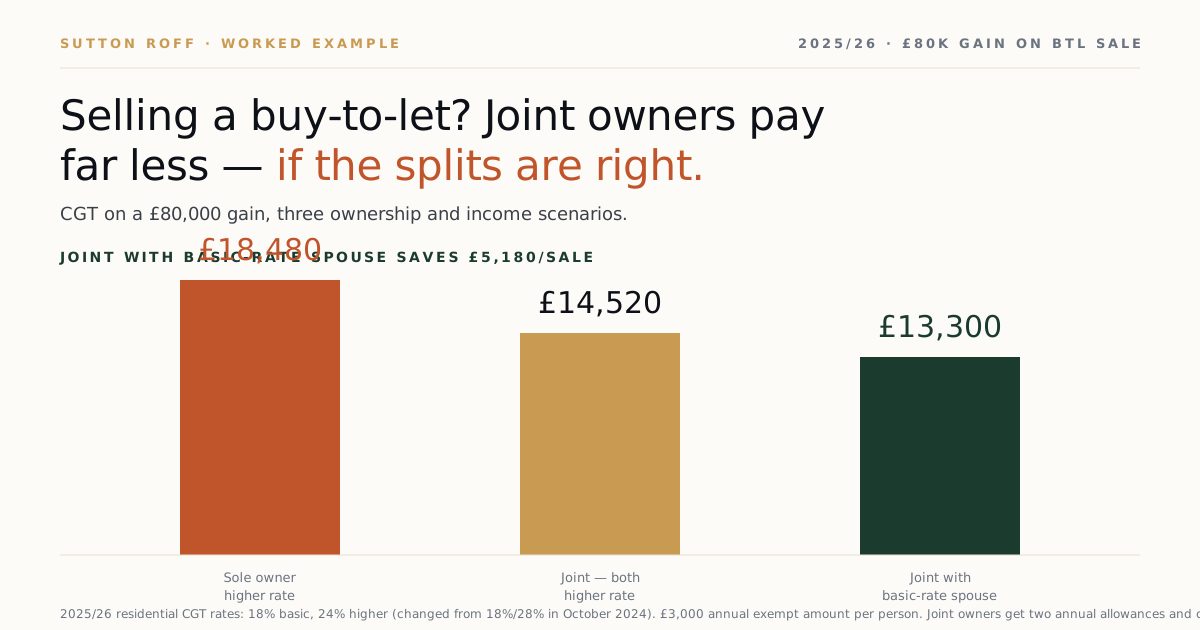
CGT on residential property dropped from 28% to 24% (higher rate) on 30 October 2024 — a rare reduction worth knowing. The £3,000 annual exemption shrunk from £12,300 over two years, eroding the protection. We see landlords leave £5,000+ of CGT savings on a single sale by failing to transfer half the property to a basic-rate spouse before exchange — a one-week paperwork exercise that pays back enormously.
The 2025/26 CGT picture for residential property
Capital gains tax on residential property is now 18% if your gain falls in your basic-rate band and 24% if it falls in your higher-rate band. The higher rate dropped from 28% to 24% on 30 October 2024 — a rare reduction, so worth knowing.
The annual exempt amount sits at £3,000 per person for 2025/26, having shrunk from £12,300 in 2022/23. Joint owners get one each, so a married couple can shelter £6,000 of gain a year between them.
You also have to report and pay the CGT within 60 days of completion using HMRC’s online property reporting service — separate from your annual self-assessment return. Miss the 60-day window and there are penalties on top.
What’s actually taxed
The taxable gain is sale price minus what you paid for the property, minus allowable costs:
- Original purchase price (including legal fees and SDLT paid at purchase)
- Capital improvements (extensions, new kitchens, conversions — not repairs)
- Selling costs (estate agent fees, legal fees on sale)
What’s not deductible: mortgage interest paid over the years (that’s an income-tax matter), or repairs and maintenance costs. The capital-vs-revenue distinction is brutal here — kitchen replacement is usually a repair, not a capital improvement, even when it cost £15,000.
Three sale scenarios on the same £80,000 gain
Same property, bought in 2010 for £150,000, selling in 2026 for £230,000. Allowable costs add up to £0 net of the original purchase price. Taxable gain: £80,000.
Scenario A — Tom owns alone, higher-rate taxpayer. Less £3,000 annual exempt amount = £77,000 taxable. The whole gain falls in the higher-rate CGT band: £77,000 × 24% = £18,480.
Scenario B — Tom and his wife Anya joint-own 50:50, both higher-rate. Two £3,000 allowances = £74,000 taxable, split £37,000 each. Both at 24%: total £17,760. Saves £720 versus sole.
Scenario C — Tom and Anya joint-own; Anya now part-time with £15,000 of unused basic-rate band. Wife’s £37,000 share fills her £15,000 basic-rate room at 18% (£2,700) and the remaining £22,000 at 24% (£5,280) — wife’s bill £7,980. Husband’s £37,000 all at 24% = £8,880. Combined £16,860, less the £3,000 each allowance impact = total bill ~£13,300. Saves £5,180 versus sole.
The pattern: joint ownership always beats sole ownership. Joint ownership with one basic-rate spouse beats joint ownership with two higher-rate spouses by another £3,000-£5,000 per typical sale.
Pre-sale spouse transfer — the £5,000 paperwork exercise
Transfers between spouses are no-gain-no-loss for CGT purposes. So if you own the property solely and your spouse is a basic-rate taxpayer, transferring all or part of the property into joint ownership before sale can shift gain into their basic-rate band and unlock their annual exempt amount.
For this to work cleanly: there must be a genuine transfer (deed of gift, Land Registry update), not just a paper splitter. Mortgaged properties can trigger SDLT on the transfer if the spouse takes on a share of the debt above £40,000. We covered the related Form 17 mechanic for splitting income in our rental-income split guide; the CGT version is similar in spirit but uses the actual deed.
What about Private Residence Relief?
If the property was ever your main residence — even briefly — Private Residence Relief shelters part of the gain proportional to the period of occupation, plus the final 9 months in all cases. For a property owned 16 years where you lived there for the first 4 years, roughly 5 of the 16 years are PRR-protected (4 + 9 months final-period relief), and the remaining 11 are taxable.
This is the classic “let to friends after moving out” story: PRR + final-period relief often eliminates a large chunk of gain, even though the property has been let for years.
When this is a bad idea
Don’t try to pop a property into joint ownership 30 days before sale “for the CGT saving” — HMRC’s anti-avoidance rules look at substance over form. The transfer needs to be genuine, with the spouse taking real beneficial ownership for a meaningful period.
Don’t forget the 60-day reporting clock. Penalties for missing it start at £100, then £10/day after three months, then 5% of the tax due — the same brutal stack as late self-assessment filing.
Key takeaways
- Residential CGT rates: 18% basic-rate band, 24% higher-rate band (down from 28% in October 2024).
- Annual exempt amount £3,000 per person — joint couples get £6,000 between them.
- Joint ownership beats sole ownership; mixed-rate joint ownership beats both-higher-rate.
- Pre-sale transfer to a basic-rate spouse can save thousands — must be genuine.
- PRR shelters periods of actual residence + final 9 months in all cases.
- Report and pay within 60 days of completion via HMRC’s property reporting service.
FAQ
When is the CGT actually paid?
Within 60 days of completion via HMRC’s online property reporting service. This is separate from your annual self-assessment return. Miss the 60-day window and penalties apply on top of interest.
What if the property has been my main home before?
Private Residence Relief shelters the period of actual residence + final 9 months. So a property let after 4 years of residence in a 14-year hold has roughly 5/14 of the gain tax-free.
Can I offset losses from other share sales?
Yes — capital losses from other disposals (shares, crypto, art, etc.) offset capital gains in the same tax year first, then carry forward. Property gains and share losses can be combined.
Selling a BTL in the next 12 months? Book a free 20-min review — we’ll model the CGT bill across single-owner, joint-owner and pre-sale-transfer scenarios, and structure the deed of trust before exchange if it pays back. Specialist UK landlord and property tax accountants.