
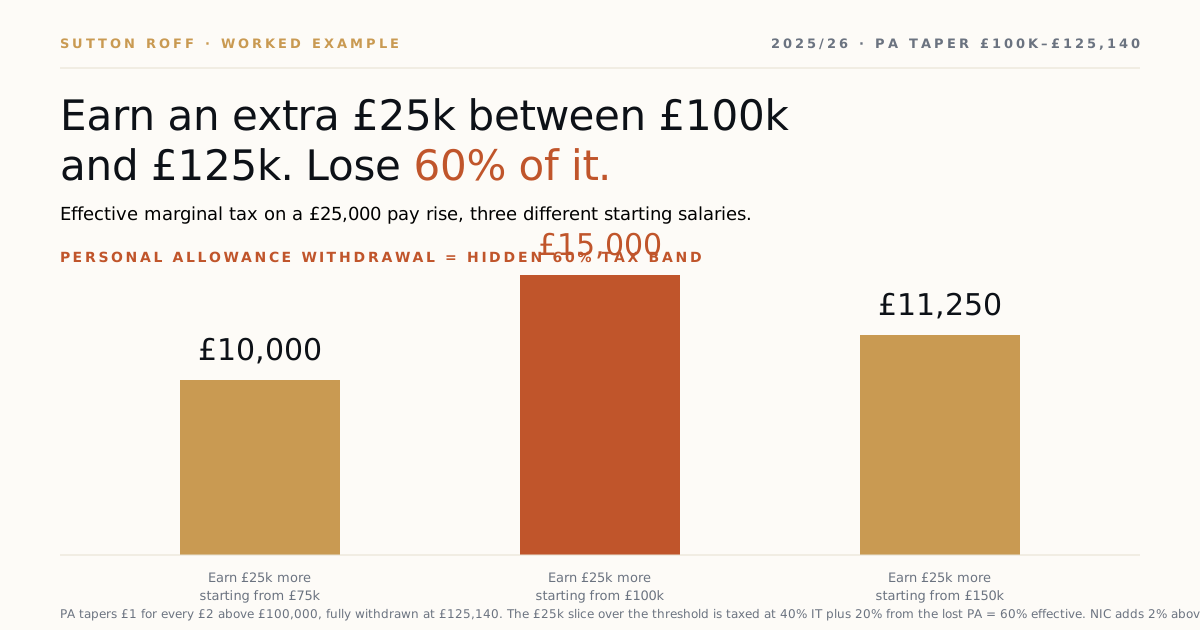
Earnings between £100,000 and £125,140 attract an effective 60% marginal tax rate — higher than at any other UK income level. We see senior employees take a £25,000 bonus expecting to keep £14,500 (the 42% rate they’d normally see) and end up with £10,000 because the Personal Allowance taper quietly added 20% on top. The fix is mechanical and most employers don’t help with it.
What the 60% trap actually is
The Personal Allowance — £12,570 of tax-free income for 2025/26 — tapers £1 for every £2 your income exceeds £100,000. It’s fully withdrawn at £125,140.
So as you earn from £100k to £125,140, you pay:
- 40% income tax on the additional income (you’re in the higher-rate band)
- 2% employee NIC
- Plus an extra 20% effective tax on each £1 because you’re losing 50p of Personal Allowance per £1 — and that lost PA was previously sheltering income at 40%, so 50p × 40% = 20p of additional tax for every £1 earned over the line
Total marginal tax: 40% + 2% + 20% = 62%. Most analysts round to 60% for the trap label.
Same £25k bonus, three earners — three very different outcomes
| Earner | Base salary | Marginal rate on bonus | Tax on £25k bonus | Net retained |
|---|---|---|---|---|
| Hassan | £75,000 | 42% (IT + NIC) | £10,500 | £14,500 |
| Sophie | £100,000 | 60% (PA taper) | £15,000 | £10,000 |
| Daniel | £150,000 | 47% (IT + NIC, PA gone) | £11,750 | £13,250 |
Same £25k bonus. Sophie (in the 60% trap zone) keeps £4,500 less than Hassan and £3,250 less than Daniel.
Same £25,000 bonus. Earner B (in the 60% trap zone) keeps £4,500 less than Earner A (below the trap) and £3,250 less than Earner C (above the trap). The trap genuinely makes the £100k–£125k slice the worst income band in the UK tax system.
The two ways to dodge the trap
1. Pension salary sacrifice. Sacrificing salary into pension reduces your gross taxable income. So earning £125,000 and sacrificing £25,000 takes your taxable income back to £100,000 — fully restoring the Personal Allowance. You’ve effectively bought £25,000 of pension for the cost of saving £15,000 of tax (60% relief). Combined with the standard 25% tax-free PCLS later, the long-run wealth math is dramatically better than taking the cash. Walk-through in our bonus salary sacrifice piece.
2. Gift Aid charity donations. Donations under Gift Aid reduce your “adjusted net income” for the Personal Allowance taper. Same effect as pension contributions: a £5,000 charitable donation reduces income £5,000 (plus the basic-rate top-up paid to the charity) and restores £2,500 of Personal Allowance. Net cost of the donation falls from £5,000 to roughly £2,000 once the tax restoration is factored in.
You can combine the two. Sacrifice salary into pension, donate via Gift Aid — both reduce ANI for the Personal Allowance taper.
What about EV salary sacrifice?
Electric-vehicle salary sacrifice schemes also reduce your gross taxable income by the sacrificed amount. So sacrificing £8,000/year for an EV in the 60% trap effectively costs £3,200 (after the 60% relief). The BIK at 3% is still chargeable but tiny. We covered the EV salary sacrifice mechanics in our EV salary sacrifice piece.
Stack the strategies and a higher earner can move from the 60% trap zone back below £100k entirely — restoring full Personal Allowance, dodging the worst marginal rates, and accumulating pension wealth, EV use and charitable impact at relief rates of 60%.
Why employers don’t always help
Many salary-sacrifice schemes (pension, EV, cycle-to-work) are administered through employer payroll. Some employers don’t offer them. Some offer them but cap participation. Some cap at percentages that don’t move higher earners out of the 60% trap.
If your employer doesn’t offer pension salary sacrifice but you’re in the trap zone, you can still make personal pension contributions — relief comes through self-assessment via the higher-rate top-up, plus the Personal Allowance restoration. Slightly less efficient than salary sacrifice (because you don’t escape NIC), but the bulk of the saving is from income tax and PA restoration anyway.
The Bonus Sacrifice Window
March bonuses are the classic 60% trap moment. Income for the year crystallises with the bonus. The moment for sacrifice or charitable Gift Aid is between the bonus declaration and the end of the tax year on 5 April.
Practical workflow: model your year-end income. If it lands in the £100k–£125k zone, sacrifice or donate enough to bring it back below £100k. The pension saving is one of the highest-effective-rate moves available in the UK tax code — pay £1, save 60p of tax, get £1 of pension wealth. Few moves match it.
What about additional pension contributions if you’re already above £125k?
The 60% trap only applies to income between £100k and £125,140. Above £125k, your Personal Allowance is fully gone — additional income is taxed at the standard additional rate (45%) plus 2% NIC. Pension contributions still get 45% relief on the contribution, plus they reduce adjusted income for tapered AA purposes (kicks in above £260k adjusted income).
So contributions above £125k of income still pay back well, but the marginal-rate “sweet spot” of 60% relief only exists in the trap zone itself.
When this is a bad idea
Don’t sacrifice into pension above your annual allowance — you’ll trigger an AA charge at marginal rate that wipes out the relief.
Don’t ignore mortgage affordability. Salary sacrifice reduces gross pay on the payslip — most lenders use that figure. If you’re remortgaging, a sacrifice that saves £6,000 of tax could cost £40,000 of mortgage borrowing capacity. Time the sacrifice around lender timing.
Don’t ignore the 60% trap if you’re a Ltd director paying yourself dividends. The same Personal Allowance taper applies to dividend income above £100k — and dividend tax at 33.75% plus the 20% PA-loss makes for a 43.75% effective rate on the trap-zone portion. The pension solution still applies for directors via employer pension contributions (covered in our employer pension contributions piece).
Key takeaways
- £100k–£125,140 is the worst marginal-rate band in the UK — effective 60% on each £1 earned.
- Caused by Personal Allowance tapering £1 for every £2 above £100k, withdrawn at £125,140.
- Pension salary sacrifice or Gift Aid donation reduces adjusted net income and restores PA.
- £1 of pension contribution costs 40p net in the trap zone — 60% effective relief.
- Bonus season (March) is the classic crystallisation moment.
- Above £125k, the trap is gone — but pension contributions still pay back at 45% marginal relief.
FAQ
Does this apply to dividend income too?
Yes — the Personal Allowance taper applies regardless of income type. Dividend income above £100k triggers PA loss the same way. Dividend tax at 33.75% + 20% lost PA = 43.75% effective rate on the trap-zone portion.
How does childcare get affected?
Tax-Free Childcare and 30 hours of free childcare cap at £100k of adjusted net income. Crossing £100k loses these benefits entirely. Pension contributions reducing ANI back below £100k restore them.
What if my income fluctuates each year?
Plan annually based on your forecast. Bonus-year sacrifice planning is most effective when you know in advance you’ll cross £100k. Mid-year unexpected income often leaves you stuck at the trap unless you can sacrifice promptly.
Income in the 60% trap zone and your employer doesn’t run salary-sacrifice schemes properly? Book a free 20-min review — we’ll model exactly how much pension or Gift Aid takes you back below £100k and unlocks 60% effective relief on the contribution. Specialist UK personal tax planning accountants.